CRM for Science Centers
The right customer relationship management platform for a science center handles memberships, admissions, camps, planetarium shows, and donors on one household record.
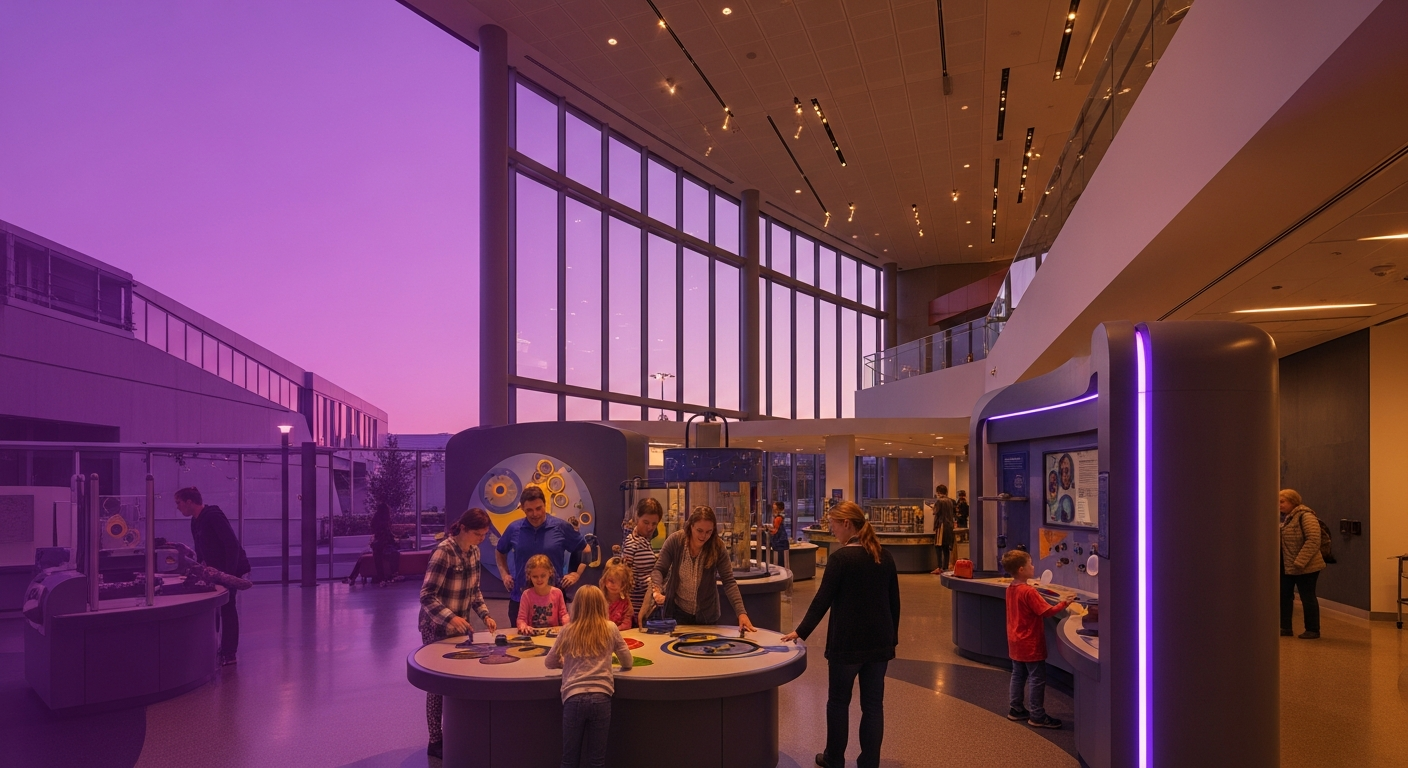
A CRM for science centers is a single system for household memberships, timed admissions, camps and programs, planetarium and giant-screen tickets, donors, and school groups. Science centers using sector-fit CRMs run more efficient camps, retain more members, and raise more mission revenue.
Why science centers need purpose-built CRM
Science centers may be the most operationally complex cultural attraction of all: general admission, timed special exhibitions, planetarium and giant-screen shows with their own show schedule, school field trips, adult and family camps, teacher professional development, and a mission-driven donor and grant base. Making that whole operation legible on one platform is exactly what a sector-fit CRM does.
Key capabilities to look for in a science center CRM
Five capabilities separate a real science center CRM from a general-purpose sales or nonprofit tool. If a vendor cannot demo all five on real customer data, keep looking.
Household memberships with sibling and grandparent add-ons
Science center memberships stretch further than most attractions because families use them every weekend. Named cardholders, guest passes, add-on grandparents, and gift memberships should be native.
Timed admissions and multi-venue tickets
General admission plus a planetarium slot plus a giant-screen show plus a special exhibition should all sell in one basket and share the same inventory.
Camps, classes, and PD workshops
Summer camps are often the highest-margin program a science center runs. Waitlists, sibling discounts, waivers, allergy and medical info, transport permission, and daily rosters should be first-class.
Donor management for STEM initiatives and grants
STEM equity initiatives, exhibition sponsors, foundation grants, and annual funds all belong on the same household record as the family membership.
School group booking and scholarship tracking
School field trips, Title I scholarships, teacher professional development registrations, and district partnerships should live on constituent records the development team can see.

How SocialGood Software approaches CRM for science centers
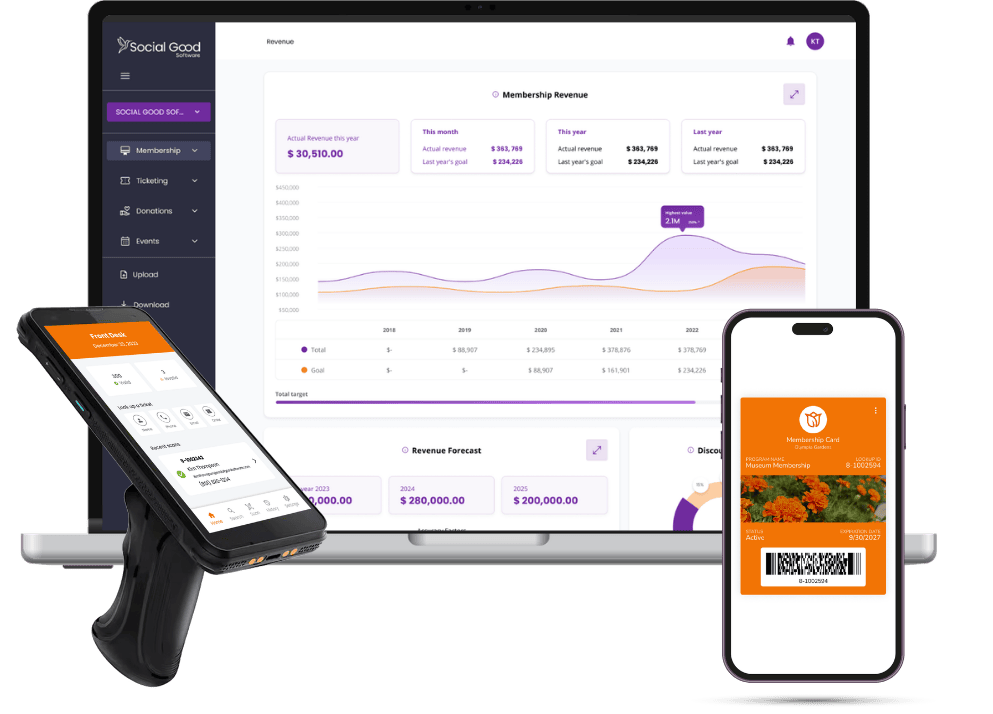
SocialGood Software was built for operationally complex attractions. Every camp registration, planetarium ticket, exhibit visit, and STEM sponsorship rolls into the same household record. If you want to see it work for a science center like yours, our team runs a live demo in about 30 minutes: explore the CRM module or book a walk-through.
Common pitfalls to avoid
The classic science center mistake is running camps on a camp platform, tickets on a ticketing platform, planetarium on a separate scheduler, and donations in a third database. Every summer becomes a reconciliation project. A CRM that owns all of it flattens the work.
Frequently asked questions
What is the best CRM for a science center?
The best CRM for a science center is one designed for cultural attractions with first-class support for household memberships, timed admissions, camps and classes, planetarium and multi-venue ticketing, and donor management on one household record.
How much does a science center CRM cost?
Small science centers spend $10,000 to $30,000 per year; mid-sized $25,000 to $100,000; the largest six figures. Cost tracks visitor volume, camp revenue, and modules.
How do we handle camp registrations in a CRM?
A good sector CRM treats camps as first-class inventory: waitlists, sibling discounts, waivers, medical info, daily rosters, and post-camp communications should all be built in, not bolted on.
Do we need a separate planetarium ticketing system?
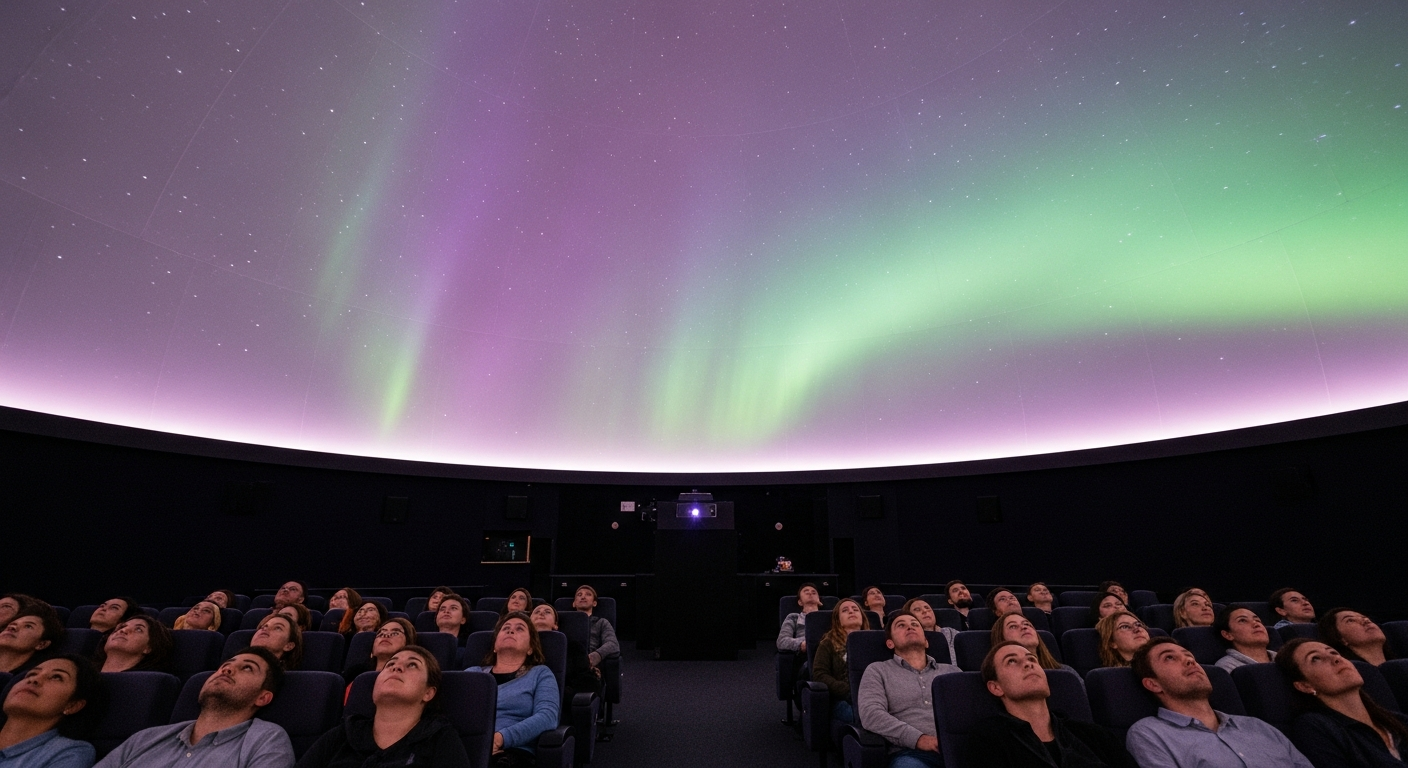
Ideally no. A native show-scheduling module keeps planetarium and giant-screen inventory in the same basket as general admission, so a visitor can buy an entire day in one transaction.
How long does a science center CRM migration take?
Ninety to two hundred forty days is typical. Camp registration history and planetarium show history are usually the pacing items.
What integrations should we expect?
Payments processing, timed ticketing on the website, email marketing sync, point of sale for the shop and cafe, calendar sync, and finance system export are baseline.