CRM for Historic Houses
The right customer relationship management platform for a historic house museum handles tours, memberships, docents, rentals, and donors on one record.
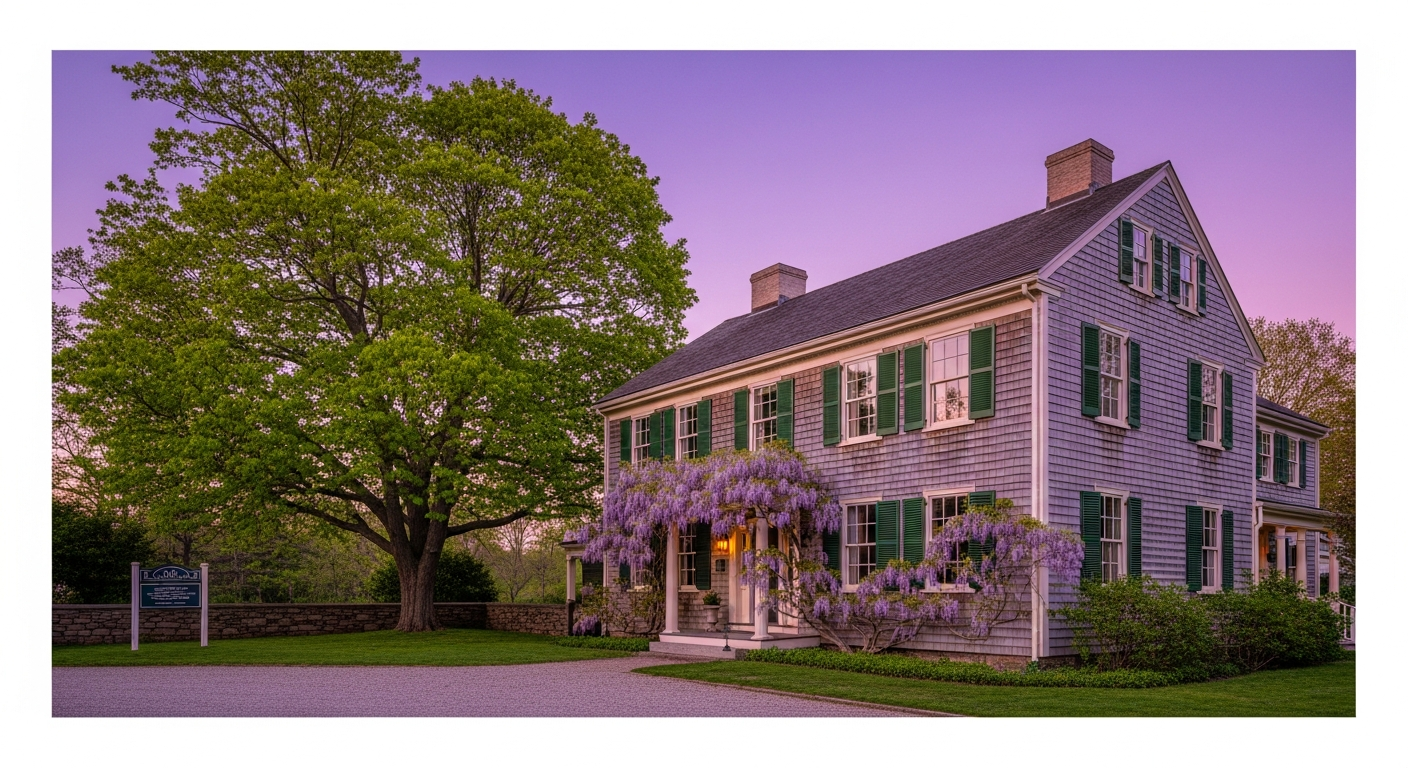
A CRM for historic houses is a single system for tour bookings, memberships, donations, event rentals, and docent scheduling. Historic house museums that use sector-built software instead of generic CRMs run more efficient operations and lose fewer members to churn.
Why historic houses need purpose-built CRM
Historic houses are small teams running big-museum operations. A staff of five or ten juggles docent schedules, guided tours by appointment, weddings and corporate rentals, membership renewals, annual appeals, and often a small retail shop. Every one of those is a revenue line, and most of them touch the same visitor. A CRM built for a for-profit sales team is genuinely the wrong tool. A CRM built for historic houses gets small operations to run like large ones.
Key capabilities to look for in a historic house CRM
Five capabilities separate a real historic house CRM from a general-purpose sales or nonprofit tool. If a vendor cannot demo all five on real customer data, keep looking.
Timed and guided tour booking
Historic house tours are almost always scheduled and often capacity-limited. The CRM should let visitors book a specific time slot online, apply member discounts, enforce capacity, collect visitor information for the docent, and roll the visit into the household record.
Membership with tiered benefits
Household-based memberships with named cardholders, auto-renew, upgrade paths, and lapsed re-engagement should be native. Members expect their tier to recognize itself at the door, on the website, and in email.
Rentals and event bookings
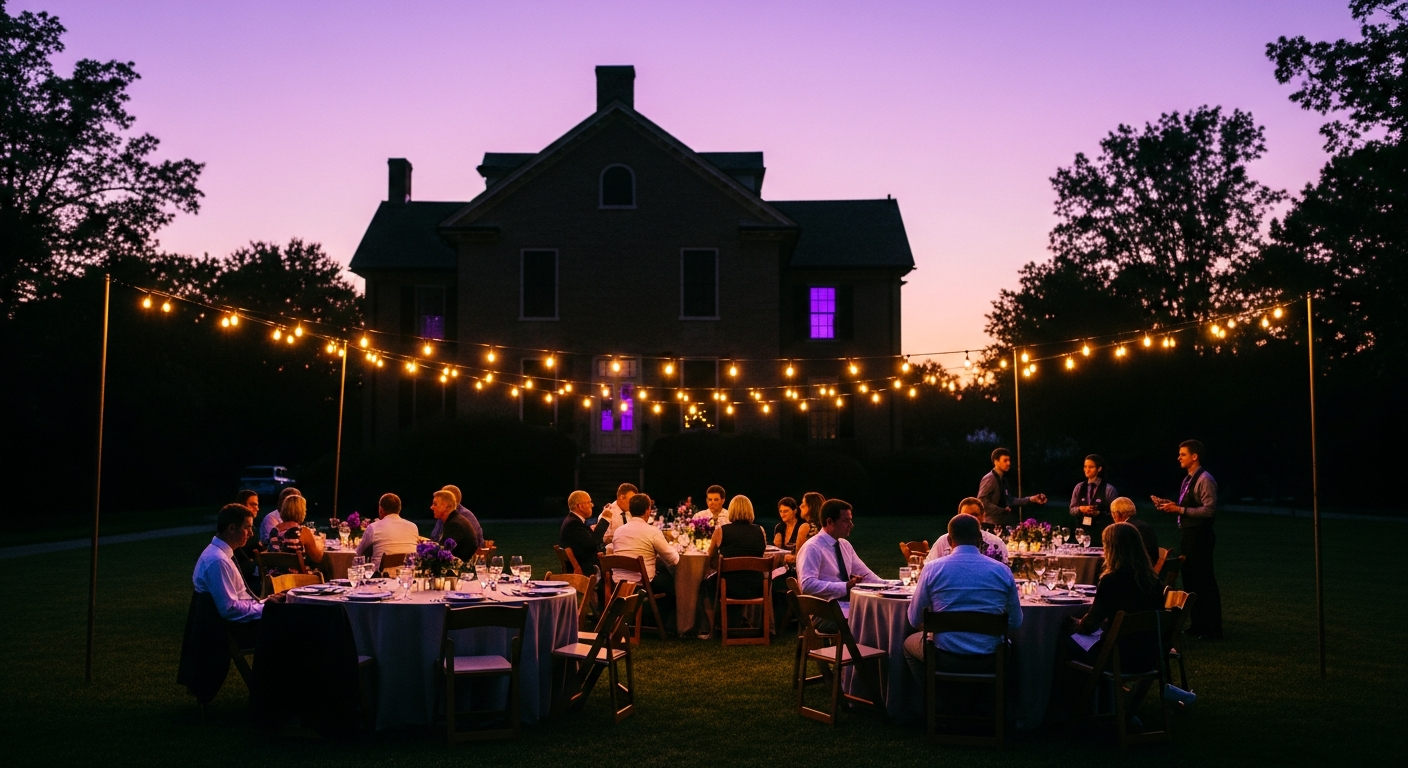
Weddings, corporate off-sites, private tours, and photo shoots often make up a meaningful share of revenue. The CRM should manage inquiries, quotes, deposits, contracts, and follow-up as first-class workflow, not as an afterthought bolted onto a donor database.
Donor management and annual appeals
Annual funds, capital campaigns, giving circles, planned giving, and memorial gifts all belong on the same household record as memberships, tours, and rentals. Direct-mail-friendly export, batch gift entry, and gift receipting should be efficient enough for a two-person development team.
Docent and volunteer scheduling
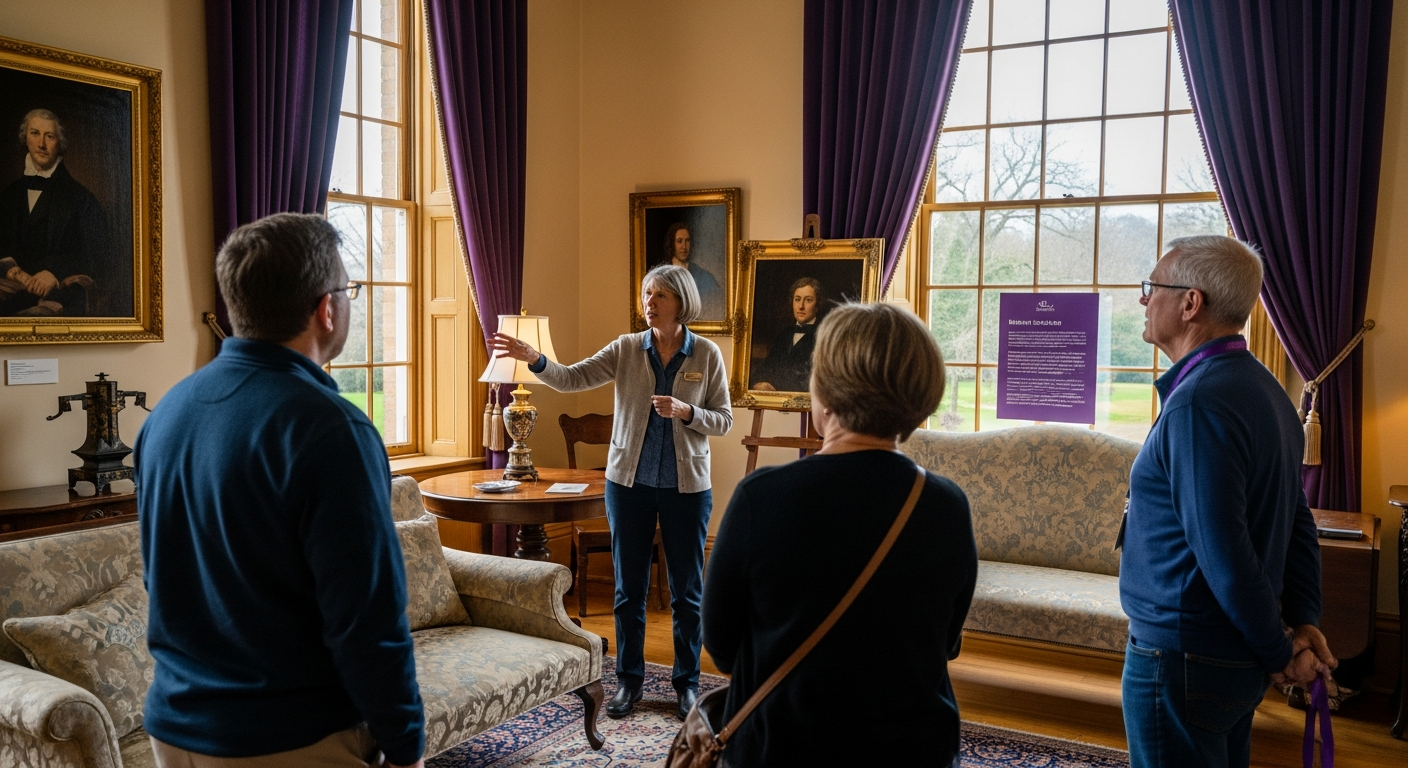
Most historic houses run on docents. The CRM should schedule shifts, track hours, send confirmation and reminder emails, and let docents self-serve their availability. Volunteer records should join the same constituent view your development team uses.
How SocialGood Software approaches CRM for historic houses
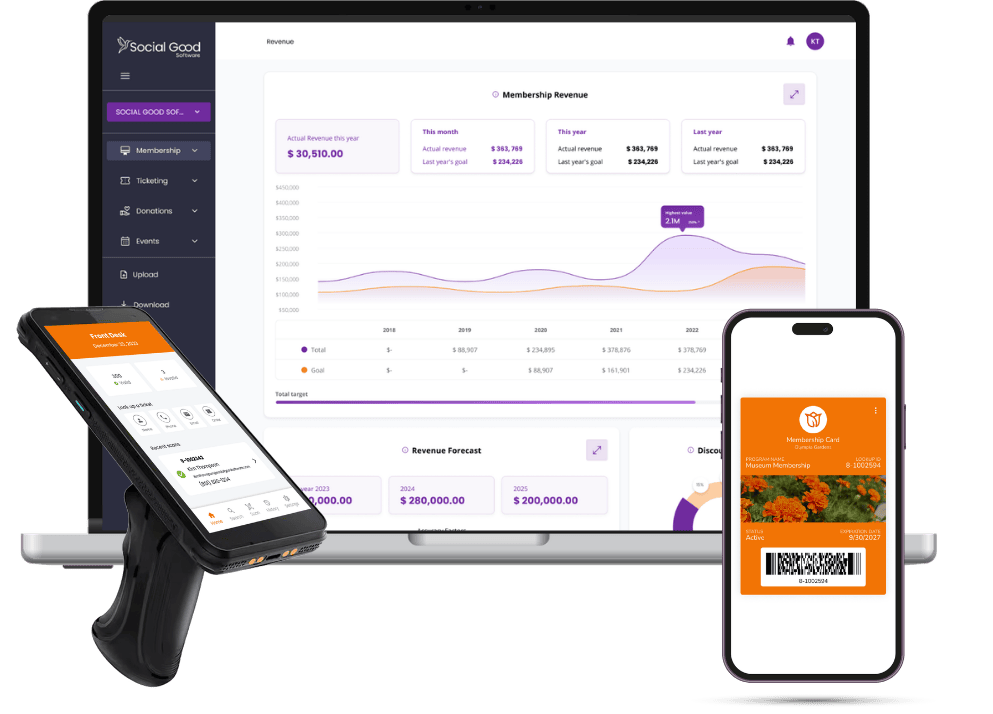
SocialGood Software was designed for small teams running big-museum operations. Every visitor, member, donor, docent, and rental prospect lives on one household record, and every revenue line reconciles to the same reports. If you want to see it work for a historic house like yours, our team runs a live demo in about 30 minutes: explore the CRM module or book a walk-through.
Common pitfalls to avoid
The classic historic-house mistake is running rentals in an email inbox and a shared spreadsheet, memberships in a different database, and donations in a third. Everyone works harder than they should, no one has a full picture of any visitor, and the annual audit takes twice as long as it needs to. The other mistake is picking a heavyweight CRM meant for large museums and never turning on most of it, which drains the budget without ever paying back.
Frequently asked questions
What is the best CRM for a historic house museum?
The best CRM for a historic house is one built for small cultural attractions, with first-class tour booking, memberships, rentals, donations, and docent scheduling on one household record. Look for platforms with a small-museum reference list, not just enterprise references.
How much does a historic house CRM cost?
Smaller historic houses typically spend $3,000 to $18,000 per year on CRM software, depending on visitor volume and modules. The right platform usually pays for itself by eliminating one to two part-time admin roles and reducing lapsed-member attrition.
Can we run our historic house on QuickBooks and a spreadsheet?
You can, for a while. Most historic houses hit a ceiling once membership crosses about 300 households or annual rental revenue crosses about $50,000; at that point the reconciliation cost of running everything in QuickBooks and Excel starts to exceed the cost of a sector-fit CRM.
How do we handle wedding and event rentals in a CRM?
A good sector CRM treats rental inquiries as a pipeline: inquiry, quote, tour, deposit, contract, final invoice, follow-up. Every step lives on the same household record, so the development team can see a wedding client alongside the annual fund and membership.
What integrations should we look for?
Look for two-way sync with your email marketing platform, a payments processor with reasonable rates, calendar sync for docent shifts and rentals, and export or API for your finance system. Ask for reference historic houses using the same combination.
How long does a historic house CRM migration take?
Sixty to one hundred twenty days is typical for a historic house. Data volume is usually manageable; the pacing item is usually board and staff review of renewal, appeal, and rental templates before cutover.