CRM for Museums
How to choose a customer relationship management platform that fits museum operations, from timed-entry admissions to capital campaigns.
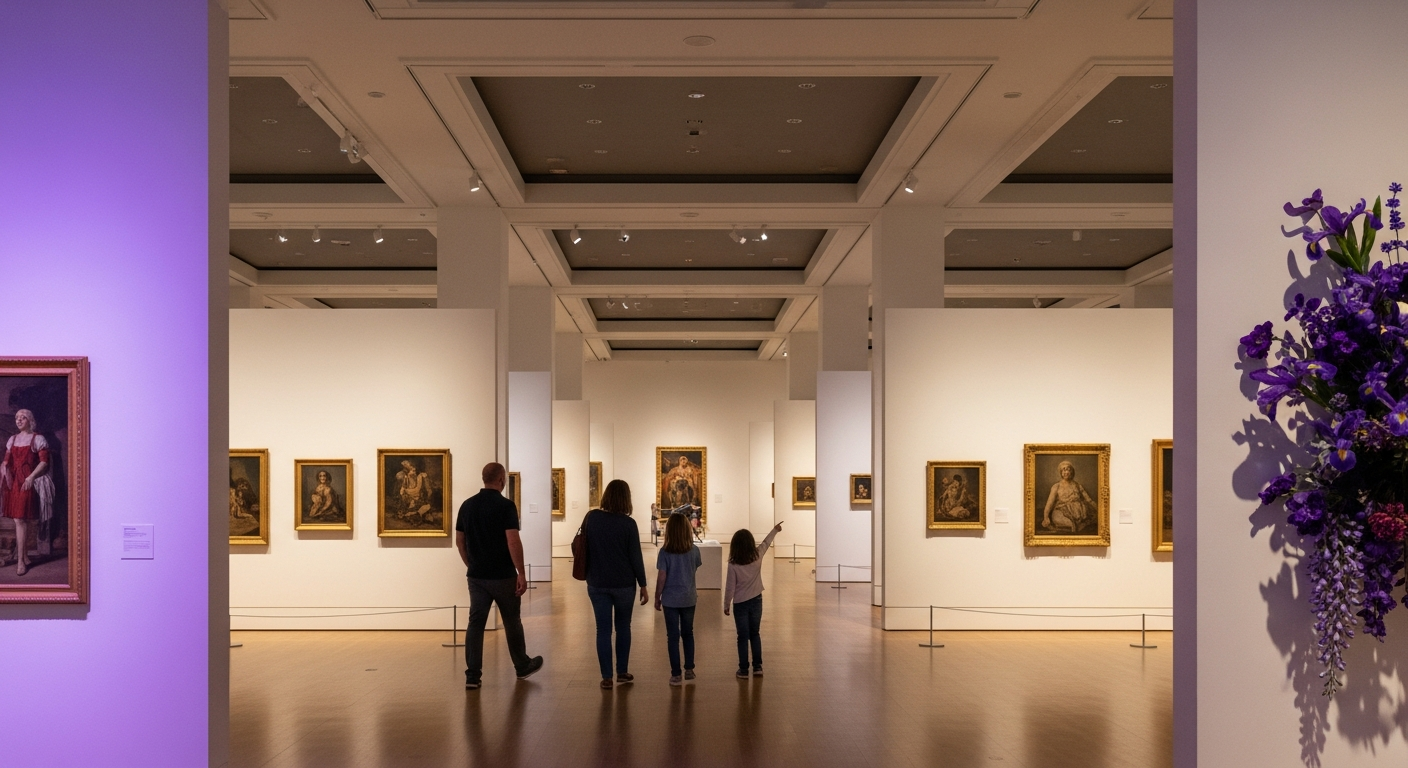
A CRM for museums is a single system for memberships, admissions, donations, exhibitions, events, programs, and volunteers. Museums that adopt sector-built CRMs run tighter operations, retain more members, and raise more money than peers running on generic sales CRMs or fragmented point tools.
Why museums need purpose-built CRM
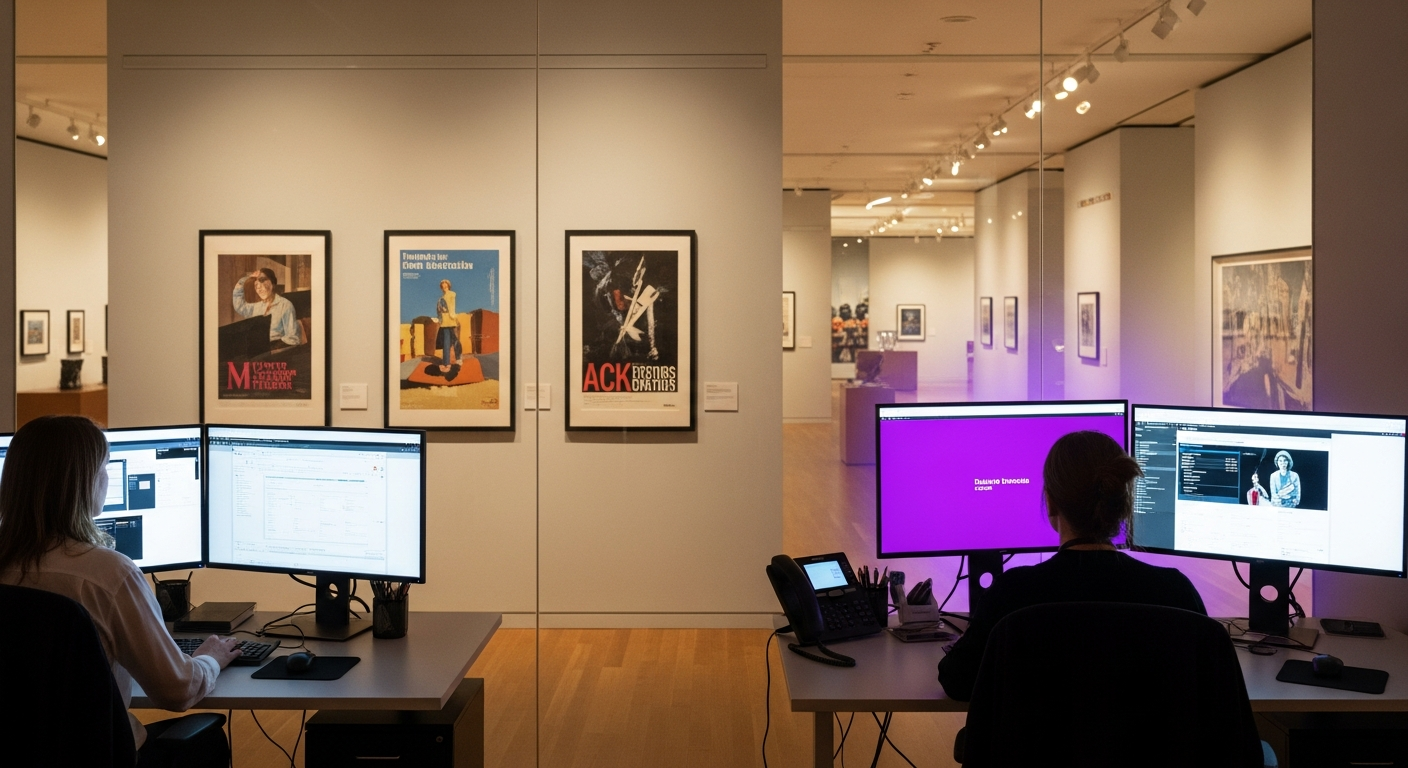
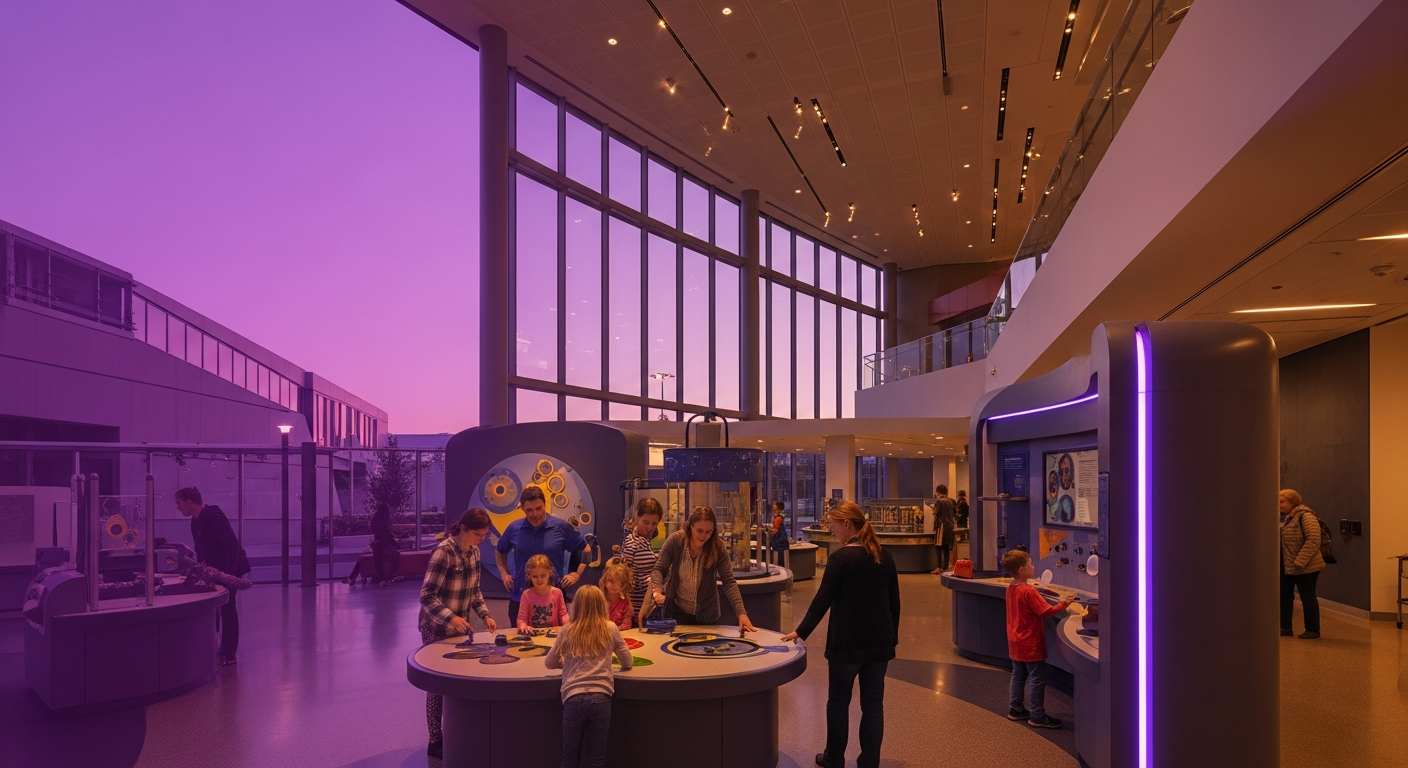
A museum is one of the more complicated mid-sized operations you can run. On any given Saturday, the front desk is selling timed tickets, the membership office is processing a household upgrade, the education team is checking in a summer camp, the development team is reconciling last night’s gala, the retail shop is running point of sale, and the exhibitions team is opening a new traveling show. Every one of those touches the visitor record. A CRM built for museums treats all of it as one operation, not five.
Key capabilities to look for in a museum CRM
Five capabilities separate a real museum CRM from a general-purpose sales or nonprofit tool. If a vendor cannot demo all five on real customer data, keep looking.
Timed-entry admissions with member fast-track
Timed ticketing is now the norm at most museums. The CRM should let visitors book a time slot online, recognize members instantly at the door, cap capacity per slot, and share inventory with school groups and special exhibitions.
Membership with household and gift cardholders
Museum memberships almost always cover more than one person. Household records, named cardholders, guest passes, upgrades, gifts of membership, and auto-renew should be built in. The system should never send two renewal notices to the same household.
Donor management for annual, capital, and planned giving
Every level of giving belongs on the same household record as the family membership: annual fund, acquisition, capital, planned, corporate, and grant. Moves management, wealth screening, and pledge schedules should be first-class, not add-ons.
Education, programs, and school groups
Field trips, summer camps, adult classes, and lecture series all belong on the constituent record. Registrations, waivers, and payments should share the same inventory as general admission and special exhibitions.
Retail, cafe, and rentals with unified reporting
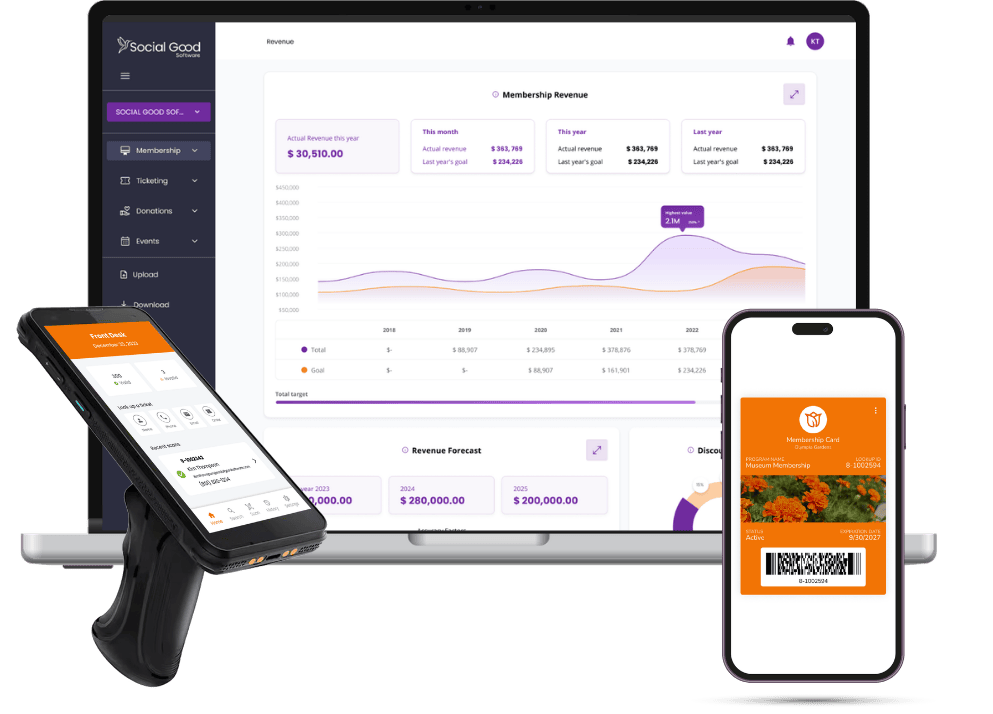
The shop, the cafe, and space rentals often make up 10 to 30 percent of earned revenue. Whether they run on your CRM directly or on integrated tools, the reporting should roll up to one dashboard your board can read.
How SocialGood Software approaches CRM for museums
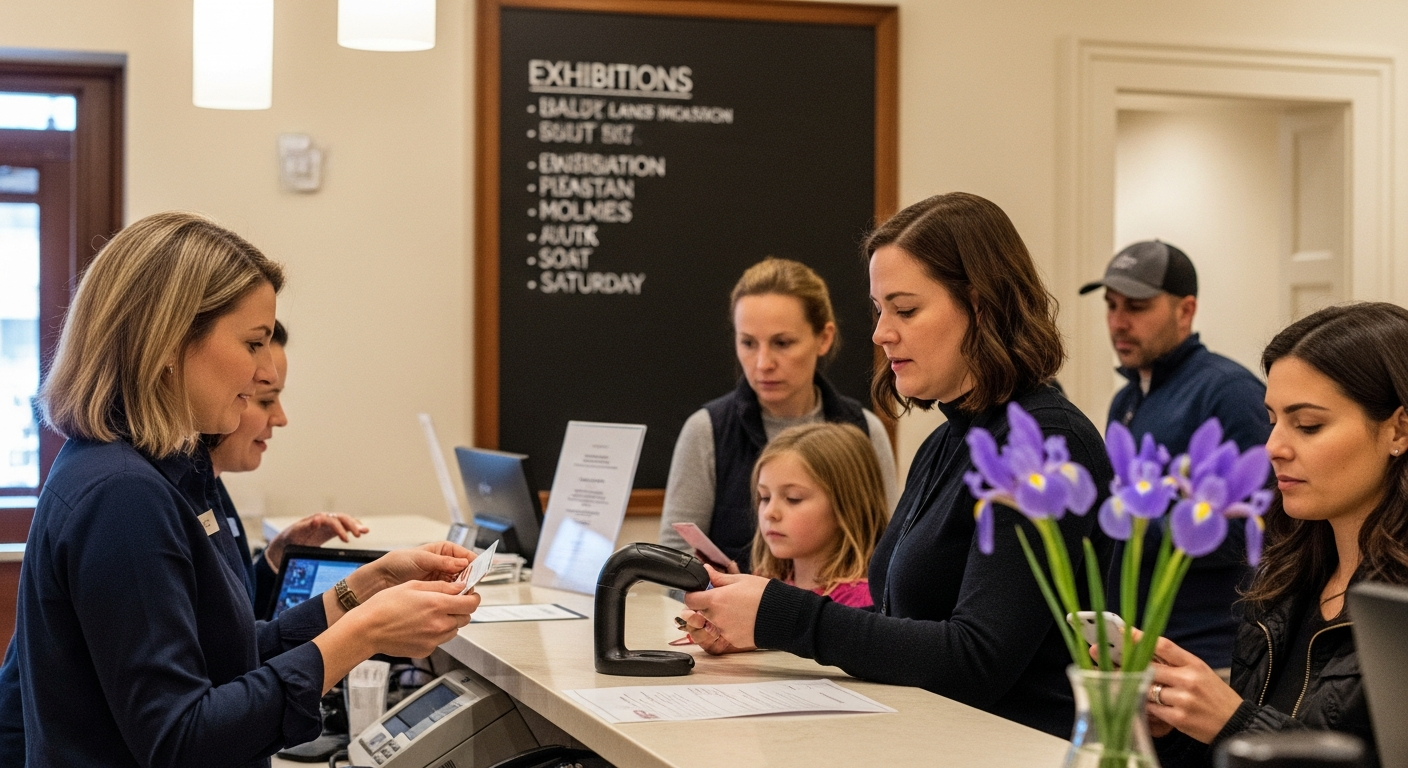
SocialGood Software treats a museum the way a museum director does: as a single organization with many programs, not as five departments in five databases. Every ticket sale, membership renewal, donation, camp registration, and gala gift lands on the same household. If you want to see it work for a museum like yours, our team runs a live demo in about 30 minutes: explore the CRM module or book a walk-through.
Common pitfalls to avoid
The most expensive museum-tech mistake is stitching together a ticketing platform, a membership platform, a donor database, an event-registration tool, and an email platform, and then paying a small team to reconcile them every month. The second is picking a general-purpose enterprise CRM whose implementation runs 18 months, costs seven figures, and never quite fits.
Frequently asked questions
What is the best CRM for a museum?
The best CRM for a museum is one built for cultural attractions with first-class support for timed admissions, memberships, donations, education programs, and event rentals on a single household record. Sector-built platforms like SocialGood Software, Altru, and Tessitura are common choices.
How much does museum CRM software cost?
Small museums typically spend $8,000 to $30,000 per year; mid-sized museums $20,000 to $80,000; large museums six figures. Cost tracks constituent count, transaction volume, and how many revenue lines share the platform.
Is Salesforce a good fit for museums?
Salesforce is a general-purpose sales CRM. Museums that adopt it invariably invest in significant customization for memberships, ticketing, gift receipting, and event registration. Most museums are better served by a sector-fit platform out of the box.
Should our ticketing be part of our CRM?
Yes. Every hour ticketing lives outside the CRM is an hour your gate does not know who your members are, your marketing does not know who visited, and your development team does not know who already loves your museum.
How long does a museum CRM migration take?
Ninety to two hundred forty days is typical, depending on constituent count, source-system complexity, and how many revenue lines migrate at once. Data cleanup is almost always the pacing item.
What integrations should we expect?
Two-way sync with an email marketing platform, payments processing at reasonable rates, calendar sync for events and rentals, API for the website, and export or middleware to your finance system are table stakes. Anything less should raise a flag.