CRM for Aquariums
The right customer relationship management platform for an aquarium handles memberships, timed entry, ocean conservation donors, and dive programs on one record.
A CRM for aquariums is a single system for household memberships, timed admissions, donations, adoption and sponsorship programs, and education. Aquariums that run on sector-fit CRMs retain more members and raise more conservation revenue than peers on generic tools.
Why aquariums need purpose-built CRM
Aquariums have the highest per-visit throughput of any cultural attraction. Timed entry is a hard operational requirement, not an option, and members expect a fast lane at the door. On top of that, aquariums often run significant marine conservation programs funded by mid- and major-level giving. That combination breaks most generic CRMs. A CRM built for aquariums treats admissions, memberships, adoptions, and conservation gifts as parts of the same visitor story.
Key capabilities to look for in a aquarium CRM
Five capabilities separate a real aquarium CRM from a general-purpose sales or nonprofit tool. If a vendor cannot demo all five on real customer data, keep looking.
Timed admissions and member fast lanes
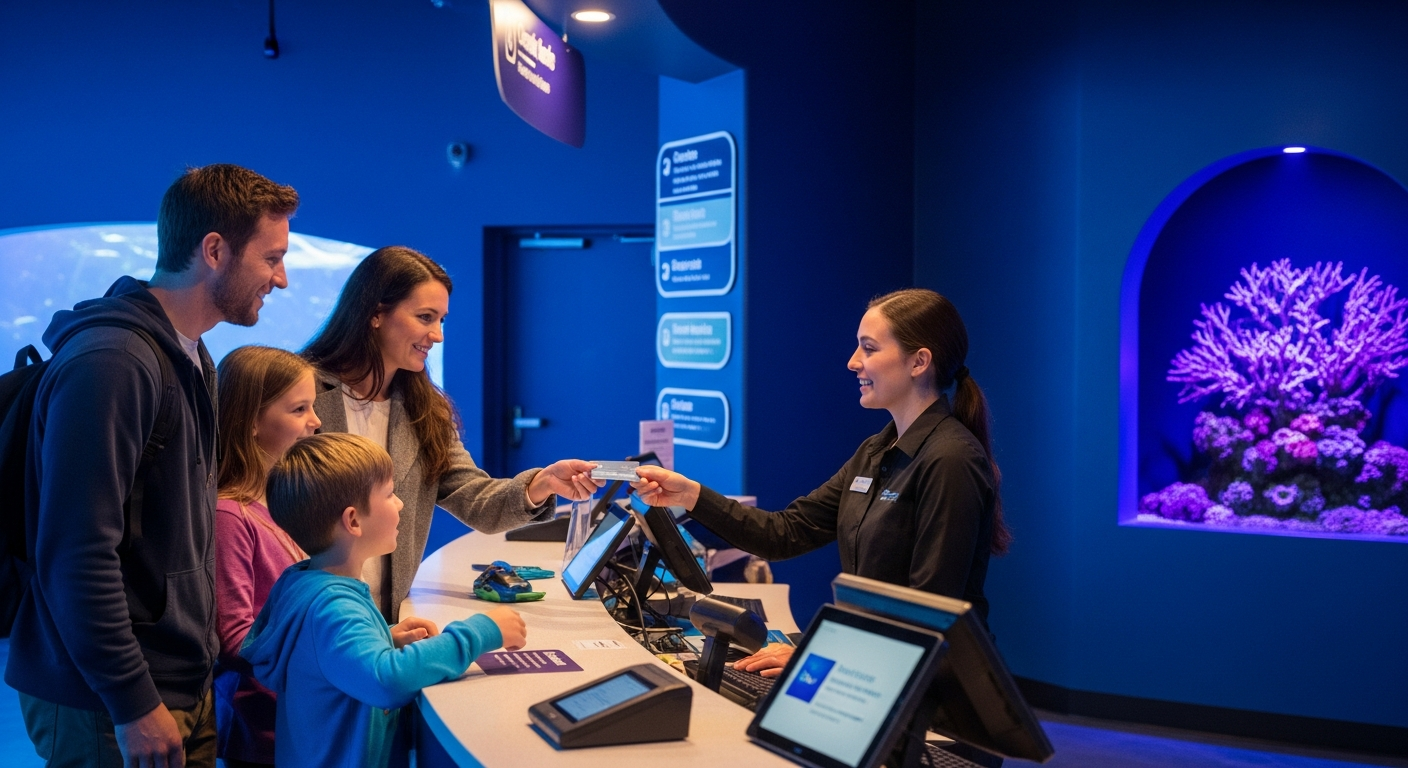
Peak-day capacity is real. The CRM should sell timed tickets online, recognize members instantly at the door with mobile or card scanning, and cap per-slot capacity precisely.
Household memberships with named cardholders
Named cardholders, gift memberships, upgrades, auto-renew, and guest passes are table stakes for aquarium memberships. The CRM should never send two renewal reminders to the same household.
Species adoption and marine sponsorship
Symbolic species adoption (adopt a sea turtle, a penguin, a shark) is a signature aquarium giving vehicle. The CRM should treat each adoption as a donor record with anniversary renewals and recognition fulfillment.
Conservation donor and grant management
Ocean plastics research, coral reef restoration, marine mammal rescue programs, and international partnerships all need first-class donor management on the same household record as the family membership.
Camps, dive programs, and school field trips
Overnights, junior aquarist camps, certified dive programs, and school groups belong on the same constituent record as the family membership.
How SocialGood Software approaches CRM for aquariums
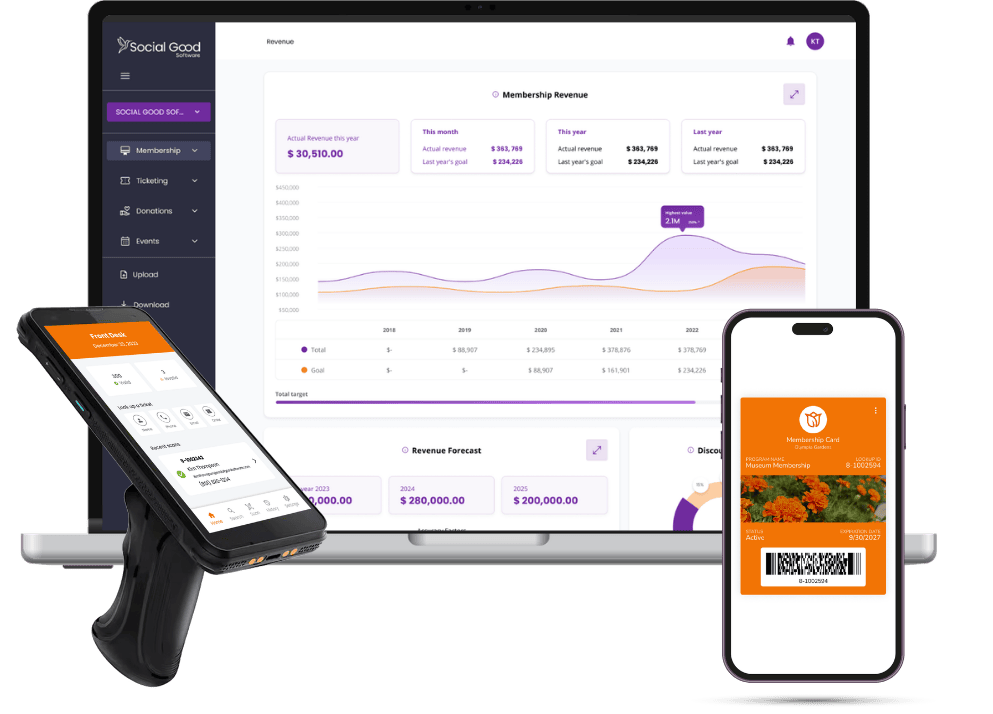
SocialGood Software was built to handle the throughput and the mission of a modern aquarium together, with one household record per family and one report per line of revenue. If you want to see it work for a aquarium like yours, our team runs a live demo in about 30 minutes: explore the CRM module or book a walk-through.
Common pitfalls to avoid
Most aquariums hit the wall in three places: ticketing that cannot handle real timed-entry volume, a donor system that does not understand adoptions or symbolic gifts, and no place to house the education program’s roster. Fixing all three with point solutions turns into a reconciliation nightmare.
Frequently asked questions
What is the best CRM for an aquarium?
The best CRM for an aquarium is one designed for cultural attractions with first-class support for timed admissions, household memberships, marine adoption programs, conservation donors, and education programs on one household record.
How much does aquarium CRM software cost?
Small aquariums spend $15,000 to $40,000 per year; mid-sized aquariums $30,000 to $120,000; the largest six figures. Cost tracks visitor volume, membership base, and modules.
Do we need a separate timed-ticketing tool?
No, and ideally you should not. Timed ticketing outside the CRM means your gate does not know who your members are and your marketing does not know who visited. A native admissions module is worth prioritizing.
How do we handle sea turtle or penguin adoptions?
The CRM should treat each adoption as a giving level, track the species (and optionally the specific animal), manage anniversary renewals, and trigger recognition emails and plush or certificate fulfillment.
How long does an aquarium CRM migration take?
One hundred twenty to two hundred forty days is typical. Data cleanup on member accounts and reconciliation of adoption records are usually the pacing items.
What integrations should we expect?
Payments processing, timed ticketing on the website, email marketing sync, point of sale for the shop and cafe, calendar sync for camps and events, and finance-system export are baseline.