Museum Management Software
What museum management software is, what it should do, and how to choose the platform that fits your operation.
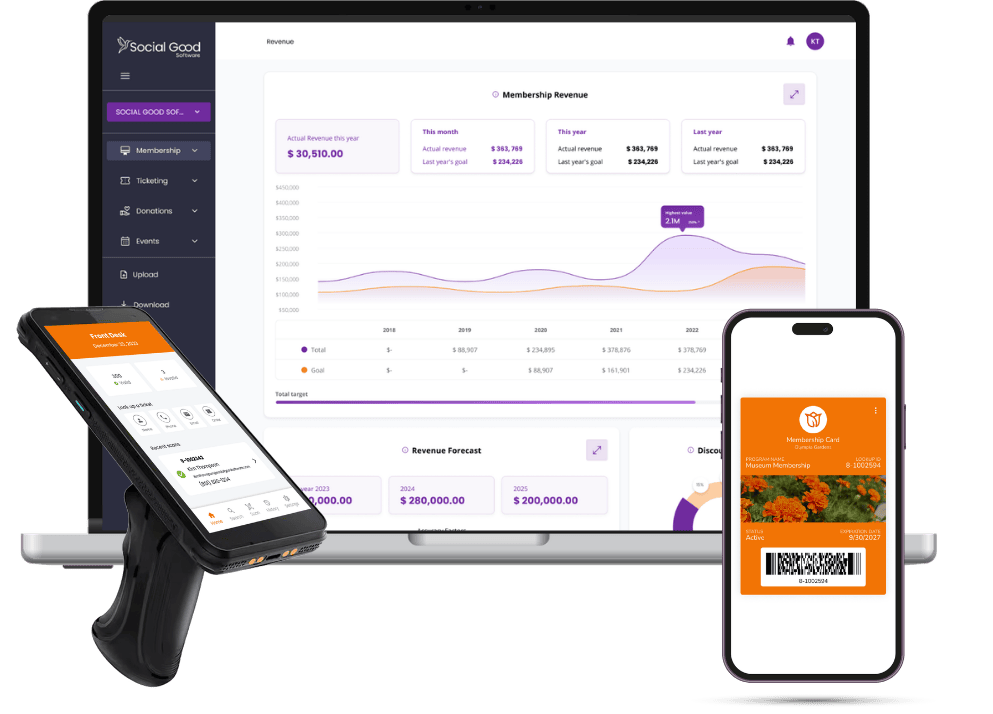
Museum management software is a single platform that runs admissions, memberships, donations, event and program registration, education, retail, and rentals on one visitor record. The best platforms are built for cultural attractions rather than adapted from generic sales or nonprofit tools.
Why museum management software platforms need purpose-built CRM
The category exists because museums are among the most operationally complex mid-sized organizations you can run. A single household is simultaneously a member, a ticket buyer, a donor, a program registrant, and often a volunteer or a rental client. Museum management software collapses that complexity into a single coherent record and a single set of reports, so a small staff can run an operation that used to require five departments.
Key capabilities to look for in a museum management software CRM
Five capabilities separate a real museum management software CRM from a general-purpose sales or nonprofit tool. If a vendor cannot demo all five on real customer data, keep looking.
Admissions and timed ticketing
Timed entry, member fast-track, capacity caps, combo tickets, and school-group bookings should all share the same inventory.
Membership management
Household-based memberships with named cardholders, auto-renew, upgrades, gift memberships, and lapsed-member re-engagement should be native.
Donor management and fundraising
Annual, capital, planned, corporate, and grant giving all belong on the same household record as the family membership.
Education, camps, and program registration
Field trips, camps, adult classes, and lecture series should live on the same platform, sharing waitlists, waivers, and roster tools.
Event and rental management
Space rentals, weddings, corporate off-sites, and private tours should run as first-class workflow, not as a bolt-on to a donor database.
Retail, cafe, and unified reporting
The shop, the cafe, and rental revenue should roll up to one dashboard the board and finance team can read together.

How SocialGood Software approaches CRM for museum management software platforms
SocialGood Software is museum management software built the way modern museums actually work: one household record, one reporting spine, every program on the same platform. If you want to see it work for a museum management software like yours, our team runs a live demo in about 30 minutes: explore the CRM module or book a walk-through.
Common pitfalls to avoid
The two most expensive mistakes: assembling six point solutions and paying the ongoing reconciliation tax, or picking an enterprise generalist and paying for two years of implementation for a system that never quite fits.
Frequently asked questions
What is museum management software?
Museum management software is a single platform that runs admissions, memberships, donations, event and program registration, education, retail, and rentals on one visitor record. It replaces the patchwork of ticketing, membership, donor, and event tools that many museums have traditionally used.
What is the difference between museum management software and a CRM?
A CRM is one component of museum management software. Museum management software includes the CRM (constituent records, membership, donor management) plus admissions, ticketing, point of sale, event booking, and program registration.
What are the leading museum management platforms?
SocialGood Software, Altru (Blackbaud), and Tessitura are the most common choices for cultural attractions of any size. Below them, smaller-museum platforms like PastPerfect, ACME, and various point-solution stacks are common.
How much does museum management software cost?
Small museums spend $8,000 to $30,000 per year; mid-sized museums $20,000 to $100,000; large museums six figures. Cost tracks visitor volume, transaction volume, and modules.
How long does a museum management software migration take?
Ninety to two hundred forty days is typical. Data cleanup on member and donor records is usually the pacing item, followed by reconciliation of historical ticketing data.
What integrations should we expect?
Payments processing, timed ticketing on the website, email marketing sync, point of sale, calendar sync for events and rentals, and finance-system export are baseline for modern museum management platforms.