CRM for Zoos
The right customer relationship management platform for a zoo handles memberships, timed admissions, adoption programs, and conservation donors on one record.
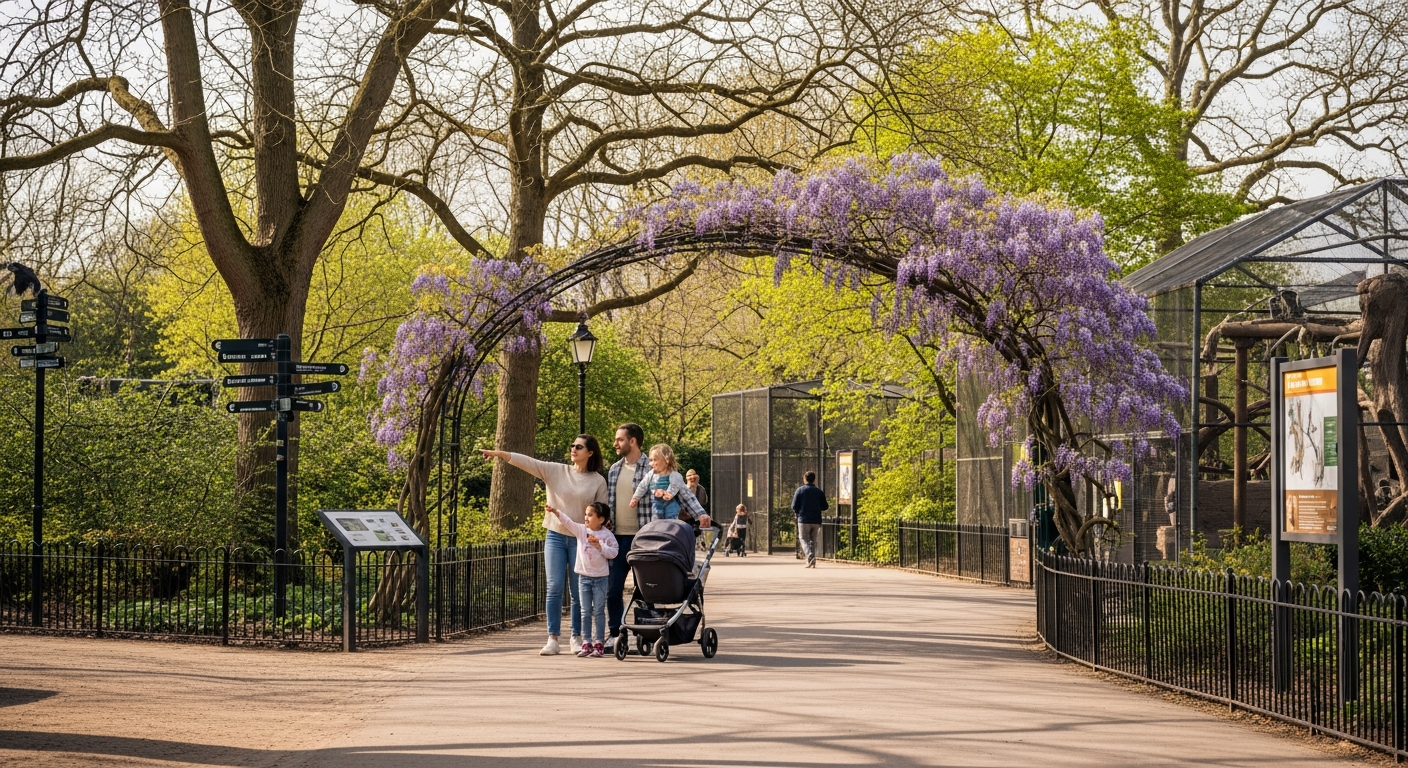
A CRM for zoos is a single system for household memberships, timed admissions, donations, animal adoption programs, and conservation education. Zoos that adopt sector-fit CRMs grow membership retention and raise more conservation revenue than those running on generic tools.
Why zoos need purpose-built CRM
A zoo is a mid-sized theme park with a nonprofit mission and a research arm. Family memberships drive daily attendance, animal adoption programs drive mid-level giving, and major gifts and grants drive habitat development. All three touch the same household. A CRM designed for a sales pipeline cannot see any of that; a CRM built for zoos treats every family as a lifelong constituent who is also a repeat visitor and a potential conservation donor.
Key capabilities to look for in a zoo CRM
Five capabilities separate a real zoo CRM from a general-purpose sales or nonprofit tool. If a vendor cannot demo all five on real customer data, keep looking.
Family memberships and dual-parent households
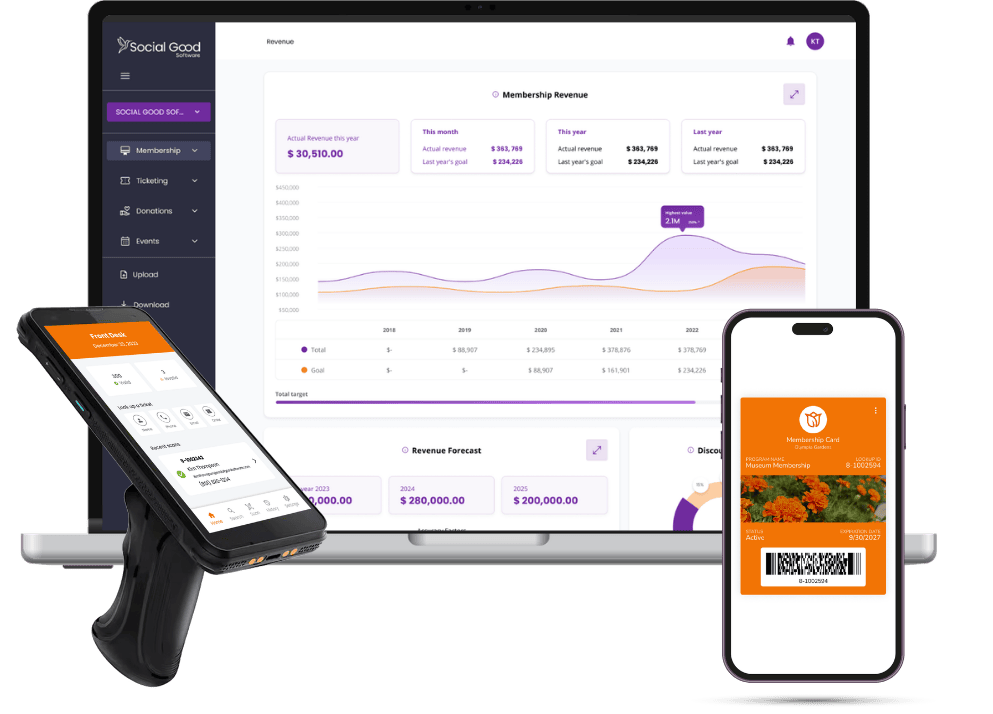
Zoo memberships are almost always family memberships with multiple named adults and any number of kids. The CRM should support named cardholders, guest passes, upgrades, gifts of membership, and auto-renew as native features.
Timed admissions and combo tickets
Timed entry, member fast lanes, combo tickets that include the carousel or the train, and school-group bookings all belong on one inventory. Non-member visits should convert to members via post-visit email flows the CRM triggers automatically.
Animal adoption and symbolic giving
Adopt-an-Animal, name-an-animal, and symbolic species sponsorships are a distinctive zoo giving vehicle. The CRM should treat each adoption as a giving level on the donor record, support recognition packages (certificates, plush toys, adoption day emails), and manage renewals on the anniversary date.
Conservation donor and grant management
Habitat construction, species survival programs, field research grants, and international conservation partnerships all need first-class donor management on the same household record as the family membership.
Education, camps, and school groups
Summer camps, overnights, school field trips, and adult classes should share inventory and workflow with the rest of the operation. Waivers, allergy info, and emergency contacts should be part of the constituent record.
How SocialGood Software approaches CRM for zoos
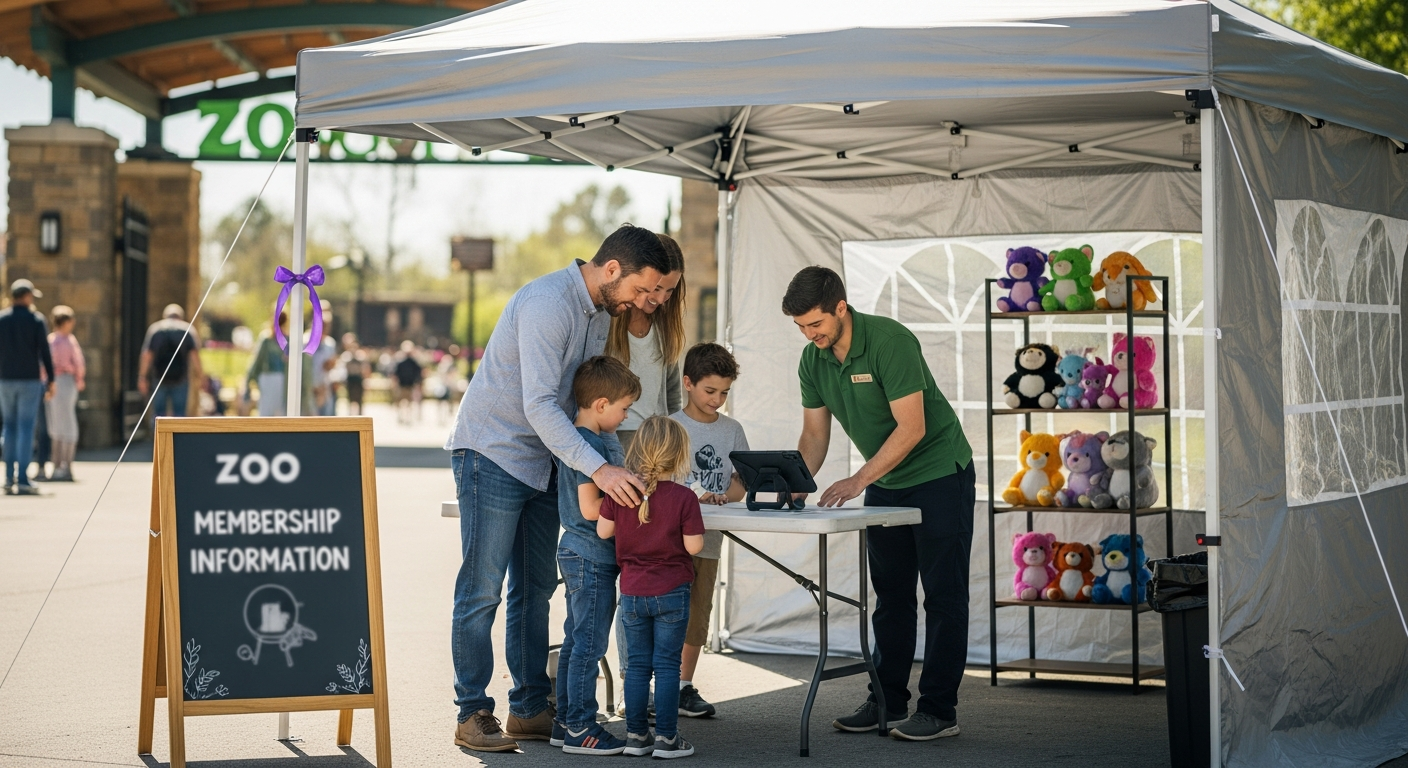
SocialGood Software treats a zoo as a lifelong-relationship organization. The child who came for a birthday camp at 7 and the family who adopted the giraffe at 42 are on the same record, and the CRM makes that continuity actionable. If you want to see it work for a zoo like yours, our team runs a live demo in about 30 minutes: explore the CRM module or book a walk-through.
Common pitfalls to avoid
The most common zoo CRM failure mode is running admissions on one platform, memberships on another, and donations on a third, and paying the price in reconciliation and lost cross-sell. The second is trying to shoehorn a nonprofit donor database (Raiser’s Edge, Bloomerang, DonorPerfect) into an admissions and membership operation it was never designed for.
Frequently asked questions
What is the best CRM for a zoo?
The best CRM for a zoo is one designed for cultural attractions with first-class support for family memberships, timed admissions, adoption programs, conservation donors, and education programs on a single household record.
How much does zoo CRM software cost?
Small zoos typically spend $15,000 to $40,000 per year; mid-sized zoos $30,000 to $120,000; the largest zoos six figures. Cost tracks visitor volume, membership base, and how many revenue lines sit on the platform.
Can we run our zoo on a general nonprofit donor CRM?
A donor-first CRM handles the giving side but does not natively run daily admissions, timed ticketing, or camp registration at zoo scale. Most zoos on that path end up either paying for point solutions to fill the gap or re-platforming.
How do we handle adoption programs in a CRM?
The CRM should treat each adoption as a giving level on the donor record, track the species or specific animal, manage anniversary renewals, and trigger recognition fulfillment (certificates, plush, onboarding emails).
How long does a zoo CRM migration take?
One hundred twenty to two hundred forty days is typical for a mid-sized zoo, with data cleanup and member-account reconciliation as the pacing items. Plan the cutover for a shoulder season.
What integrations should we expect?
Payments processing at reasonable rates, timed ticketing on the website, email marketing sync, point of sale for the retail shop and cafe, calendar sync for camps and events, and finance-system export are baseline. Ask for reference zoos on the same stack.